Coffee, Wine & Stains? Here’s the Safe Way to Whiten Your Teeth Fast
Few things are more frustrating than looking in the mirror and noticing that your smile no longer appears as bright as it once did. Daily habits like drinking coffee, tea, red wine, and dark-colored beverages can gradually leave stains on the enamel. Even people with excellent oral hygiene may notice discoloration over time. While over-the-counter whitening products promise fast results, many can lead to tooth sensitivity or uneven whitening if not used properly.
Professional teeth whitening offers a safer and more effective solution for removing stubborn stains and restoring confidence in your smile. Whether your discoloration is caused by dietary choices, aging, tobacco use, or other factors, modern cosmetic dentistry provides several options designed to brighten teeth while protecting enamel.
In this guide, you’ll learn what causes tooth discoloration, the safest whitening methods available today, how professional treatments compare to store-bought products, and what you can do to maintain your results. If you’re looking for a brighter smile without compromising your oral health, this article will help you make an informed decision.
Table of Contents
- What Causes Teeth to Become Stained?
- Professional Teeth Whitening vs. DIY Products
- How to Whiten Teeth Safely and Effectively
- Maintaining a Brighter Smile After Treatment
- Frequently Asked Questions
What Causes Teeth to Become Stained?
Tooth discoloration occurs for many reasons, and understanding the cause is the first step toward choosing the right whitening solution. The most common source of staining is the regular consumption of pigmented foods and beverages. Coffee, tea, red wine, cola, berries, and certain sauces contain chromogens—color-producing compounds that attach to tooth enamel and gradually create visible stains.
There are two primary types of discoloration: extrinsic and intrinsic stains. Extrinsic stains affect the outer layer of the teeth and are typically caused by food, drinks, and tobacco use. Intrinsic stains develop beneath the enamel and may result from aging, trauma, medications, or excessive fluoride exposure during childhood. Because intrinsic stains occur deeper within the tooth structure, they often require professional treatment for noticeable improvement.
Age is another significant factor. As people grow older, enamel naturally becomes thinner, revealing the yellowish dentin beneath. This process can make teeth appear darker even when they are healthy. Additionally, habits such as smoking and chewing tobacco accelerate staining and can create discoloration that is difficult to remove through routine brushing alone.
Poor oral hygiene can also contribute to discoloration. When plaque and tartar accumulate on the teeth, they create a dull appearance and may trap stain-producing substances. Regular brushing, flossing, and professional cleanings help minimize these effects.
The American Dental Association notes that professional evaluation is important before whitening because some forms of discoloration may indicate underlying dental concerns that require treatment first. For example, cavities, worn enamel, or restorations such as crowns and veneers may not respond to whitening products in the same way as natural teeth.
Understanding the root cause of discoloration allows dental professionals to recommend the safest and most effective whitening option for each individual. Rather than relying on one-size-fits-all solutions, customized treatment plans can address specific staining concerns while preserving the health of the teeth and gums.
Professional Teeth Whitening vs. DIY Products
The popularity of whitening strips, toothpastes, and online whitening kits has made it easier than ever to pursue a brighter smile at home. However, convenience does not always translate into effectiveness or safety.
Professional whitening treatments are designed to produce more dramatic and predictable results than over-the-counter products. Dentists use higher-strength whitening agents that penetrate deeper into the enamel while carefully protecting the surrounding gums and soft tissues. This allows for significant improvement in a shorter amount of time.
One major advantage of professional whitening is customization. Every patient’s teeth are different, and treatment can be tailored to address the severity of discoloration, existing dental work, and sensitivity concerns. Professional supervision also reduces the risk of overuse, uneven whitening, and gum irritation.
In contrast, many DIY whitening products offer limited results because they contain lower concentrations of bleaching agents. While they may lighten mild surface stains, they often require weeks or months of consistent use. Some individuals become frustrated by slow progress and begin overusing products, increasing the likelihood of tooth sensitivity.
Safety is another important consideration. Improperly fitted whitening trays or excessive application of whitening gels can irritate gum tissue and create discomfort. Professional treatment ensures proper application and monitoring throughout the process.
Patients interested in comprehensive smile enhancement may also benefit from discussing whitening alongside other cosmetic options. For example, a dental team may recommend combining whitening with preventive care services to optimize overall oral health.
Whitening toothpaste can help maintain results but should not be viewed as a substitute for professional whitening. Most whitening toothpastes work by removing surface stains rather than changing the internal color of the teeth. As a result, their impact is typically modest.
For individuals seeking fast, noticeable, and long-lasting results, professional whitening remains the gold standard. It provides a balance of effectiveness, safety, and personalized care that over-the-counter solutions simply cannot match.
How to Whiten Teeth Safely and Effectively
Achieving a brighter smile is not simply about making teeth whiter as quickly as possible. The goal should always be to improve appearance while protecting enamel and maintaining oral health.
A comprehensive dental evaluation is often the first step. During this appointment, the dentist assesses the condition of the teeth and gums, identifies the type of discoloration present, and determines whether whitening is appropriate. Existing issues such as cavities, gum disease, or damaged restorations should be addressed before whitening treatment begins.
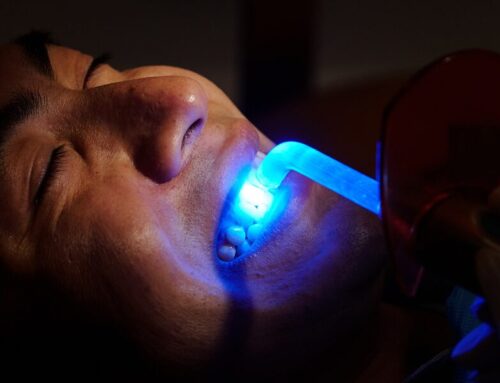
Professional in-office whitening is one of the fastest methods available. The procedure typically involves applying a specialized whitening gel to the teeth and activating it with advanced technology when appropriate. Many patients see noticeable improvement after a single visit.
Take-home whitening systems provided by dental professionals offer another effective option. These systems use custom-made trays designed to fit comfortably and distribute whitening gel evenly across the teeth. Because the trays are customized, they often produce better results than generic store-bought alternatives.
Patients with sensitive teeth may benefit from modified whitening protocols. Lower-concentration whitening agents, shorter treatment sessions, and desensitizing products can help minimize discomfort while still delivering meaningful results.
It is important to recognize that whitening is not suitable for every type of discoloration. Certain intrinsic stains may respond better to cosmetic treatments such as veneers or bonding. A dental professional can recommend the most appropriate solution based on individual goals and oral health needs.
Many patients also find value in learning more about cosmetic dentistry options beyond whitening. Visiting a cosmetic dentistry resource page can help individuals explore additional treatments designed to improve smile aesthetics.
By focusing on safety, customization, and realistic expectations, professional whitening can deliver impressive results without compromising long-term dental health.
Maintaining a Brighter Smile After Treatment
Once whitening treatment is complete, maintaining results becomes a priority. Fortunately, a few simple habits can significantly extend the longevity of a brighter smile.
The first 48 hours after whitening are particularly important. During this period, teeth may be more susceptible to staining. Patients are often advised to avoid coffee, red wine, dark sodas, berries, soy sauce, and other highly pigmented foods and beverages. Choosing lighter-colored alternatives can help protect newly whitened teeth.
Consistent oral hygiene remains essential. Brushing twice daily with a fluoride toothpaste, flossing regularly, and attending routine dental cleanings help remove plaque and surface stains before they become more noticeable. These habits also support overall oral health.
Using a straw when drinking stain-causing beverages may reduce direct contact with the front teeth. While this strategy is not foolproof, it can help minimize future discoloration. Rinsing with water after consuming staining foods or drinks is another simple but effective preventive measure.
Touch-up treatments may also be recommended. Depending on lifestyle habits and individual factors, periodic whitening maintenance can help preserve results over time. Professional guidance ensures these touch-ups are performed safely and effectively.
Patients should also understand that crowns, veneers, and fillings do not whiten like natural teeth. If significant whitening is performed, some restorations may eventually need replacement to maintain a uniform appearance.
A bright smile is not achieved through a single treatment alone; it is supported by ongoing care and healthy habits. By combining professional whitening with consistent maintenance, patients can enjoy lasting improvements in both appearance and confidence.
Frequently Asked Questions About Teeth Whitening
How long does professional teeth whitening last?
Professional whitening results can last anywhere from several months to several years, depending on oral hygiene habits, diet, and tobacco use. Periodic touch-up treatments can help extend results significantly.
Is professional teeth whitening safe?
Yes. When performed under the supervision of a dental professional, whitening is considered safe and effective. Treatment plans are customized to protect enamel and minimize sensitivity.
Will whitening work on crowns or veneers?
No. Whitening products only affect natural tooth enamel. Existing crowns, veneers, and fillings will retain their current shade and may require replacement if color matching becomes necessary.
Does teeth whitening cause sensitivity?
Some patients experience temporary sensitivity after treatment. This typically resolves within a few days and can often be managed with desensitizing toothpaste or customized treatment protocols.
How quickly will I see results?
Many patients notice a visible improvement immediately after professional in-office whitening. The degree of whitening varies depending on the type and severity of discoloration.
Conclusion
Stained teeth are a common concern, especially for individuals who regularly enjoy coffee, tea, wine, or other dark-colored foods and beverages. While countless whitening products are available, not all provide the same level of safety or effectiveness. Understanding the causes of discoloration and choosing the right treatment approach can make a significant difference in both results and long-term oral health.
Professional teeth whitening remains one of the safest and most reliable ways to achieve a brighter smile. By addressing individual needs, protecting enamel, and delivering noticeable results, professional treatment offers advantages that over-the-counter products often cannot match.
A healthy, confident smile starts with informed decisions and expert care. Whether you’re dealing with years of staining or simply want to enhance your appearance, working with an experienced dental team can help you achieve the results you’re looking for while maintaining strong, healthy teeth.
If coffee, tea, wine, or everyday habits have left your smile looking dull, now is the perfect time to explore professional teeth whitening options. Modern whitening treatments can safely remove stains, brighten your smile, and boost your confidence without damaging your enamel.
The team at Herndon Dental Arts is committed to helping patients achieve healthy, beautiful smiles through personalized dental care and advanced cosmetic solutions. Whether you’re interested in fast in-office whitening or customized take-home treatment options, you’ll receive recommendations tailored to your unique needs and goals.
Call Herndon Dental Arts today to schedule a consultation and learn more about your whitening options. A brighter, more confident smile may be closer than you think.